Sony's Strategy Evolution: Hardware, Retro Remasters, and Next-Gen Horizons
The gaming landscape in the United States is buzzing with a flurry of major announcements from Sony Interactive Entertainment. From aesthetic hardware refreshes that lean into nostalgic transparency to looming discussions about the cost of next-generation hardware, PlayStation continues to dictate the rhythm of the modern console wars.
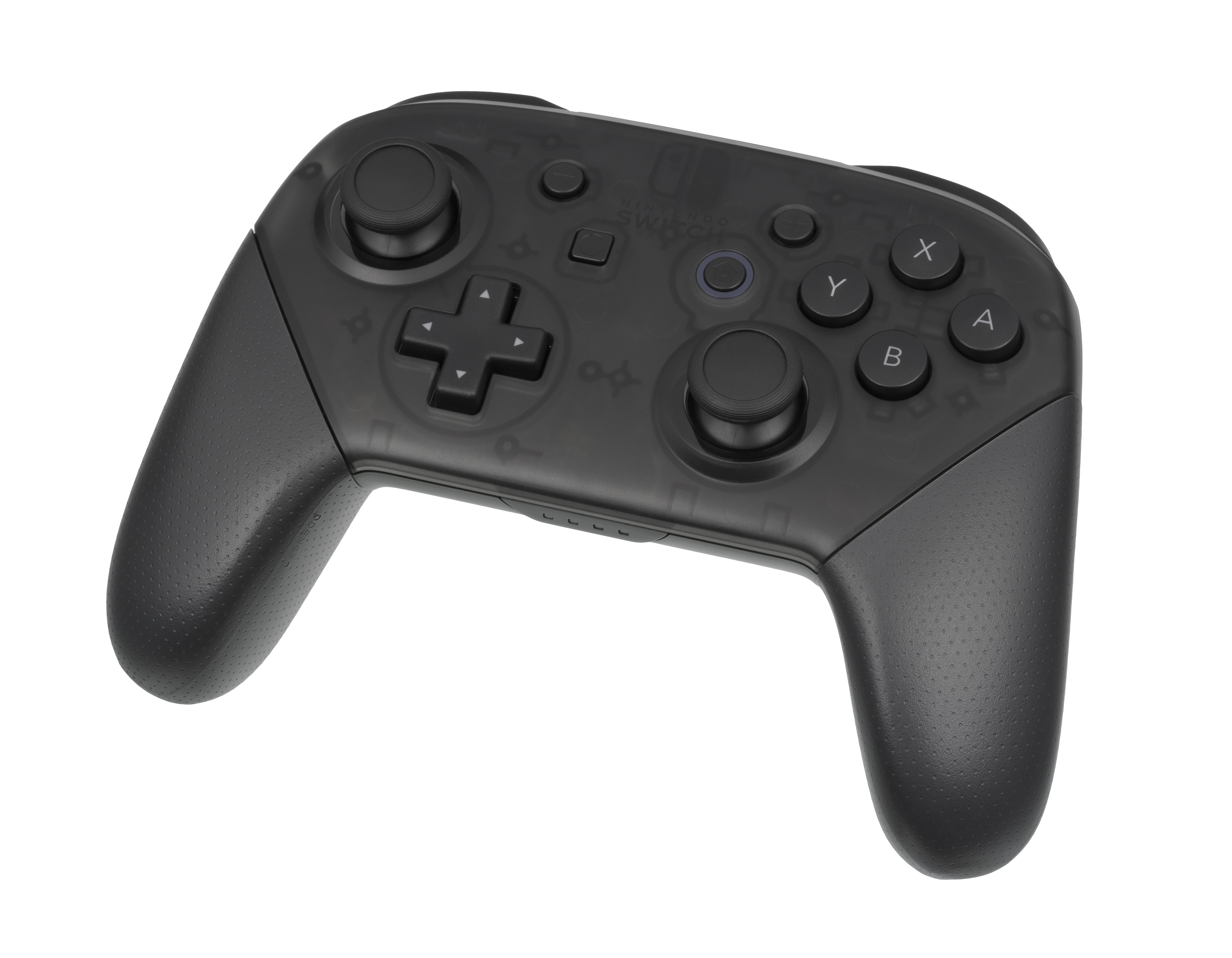
Topping the hardware news is the official unveiling of PlayStation's Prism Collection. Following closely behind competitor moves, Sony has introduced striking transparent DualSense controllers priced at $84.99 alongside matching PS5 console covers at $74.99. With pre-orders slated for November 10 and a full market rollout on February 4, these vibrant accessories are designed to capture consumer demand ahead of the crucial holiday shopping season, offering players a personalized aesthetic upgrade.
Meanwhile, the software ecosystem saw an unexpected jolt when a classic Sega PlayStation 3 RPG received a surprise, out-of-nowhere remaster specifically for the PS5. This stealth drop highlights a growing industry trend: leveraging legacy catalogs to drive engagement and fill release calendar gaps without relying entirely on triple-A blockbusters. Furthermore, comedian Pauly Shore announced a dedicated PS5 special, 'Road Comic: Live From Portland,' expanding the console's utility as an entertainment and streaming hub.
However, long-term industry watchers are already looking past the current generation. Reports emerging this week suggest that future hardware iterations, including the anticipated PlayStation 6 and rival next-gen devices, could breach the $1,000 price threshold. Such a steep economic barrier threatens to alienate core demographics, but Sony’s recently filed cloud gaming patents hint at a strategic pivot. By heavily investing in robust streaming infrastructure, Sony may offer a cost-effective cloud-based entry point, ensuring that next-generation gaming remains accessible even as physical console manufacturing costs soar.