The Evolving Landscape of US Distress
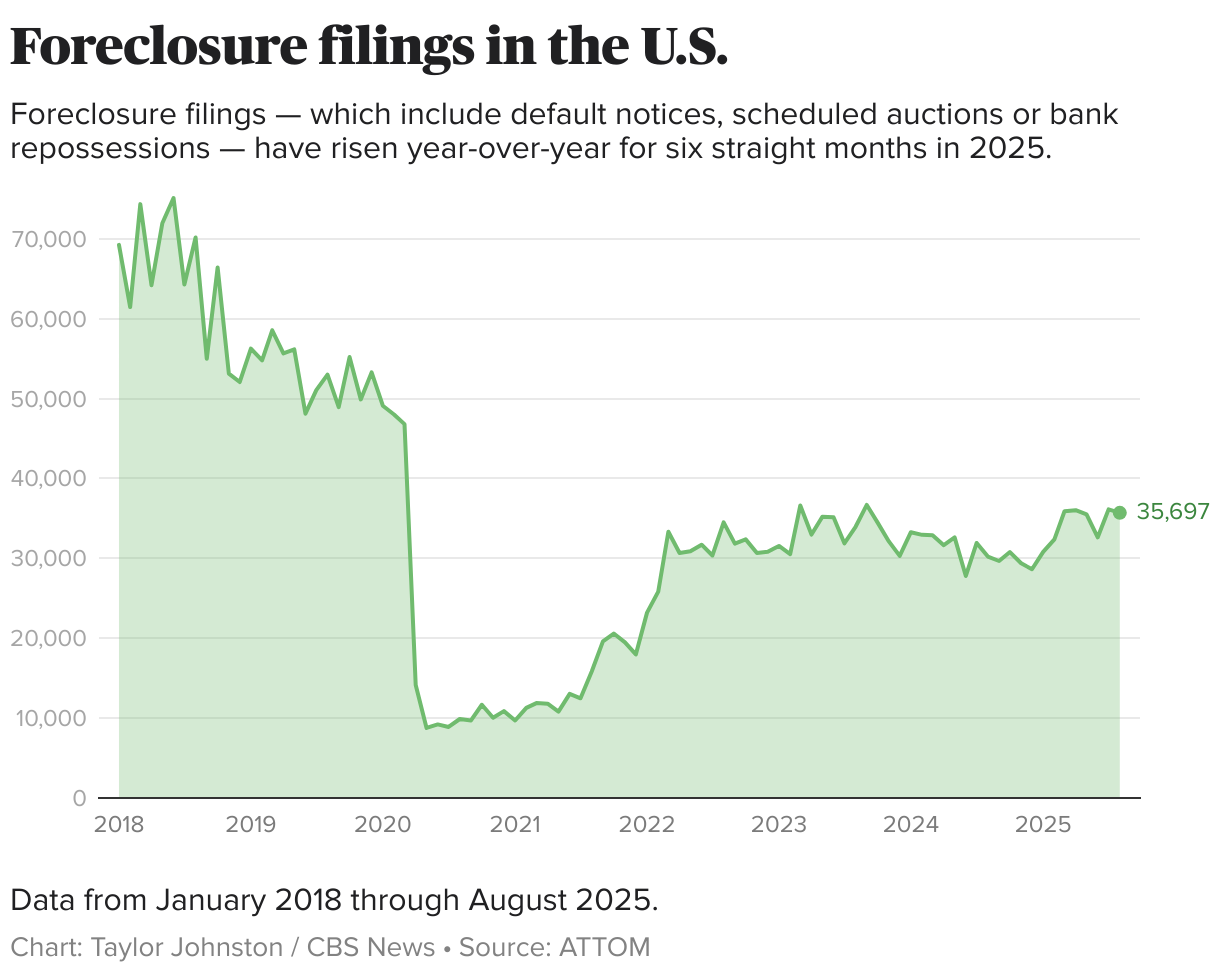
As the United States real estate market continues to navigate economic headwinds, the latest data paints a complex picture of property distress. On one hand, vacancy rates and 'zombie foreclosures'—properties abandoned by homeowners during the foreclosure process—have experienced a notable decline. Industry analysts attribute this positive movement primarily to a persistently tight national housing supply, which has allowed distressed homeowners to sell or refinance rather than abandon their assets.

Newer Loans and FHA Auctions in Focus
Despite the drop in abandoned properties, systemic pressures are shifting. Recent reports indicate that nearly half of all current foreclosures now involve newer loans. This unexpected demographic of distress is closely tied to a surge in Federal Housing Administration (FHA) loan auctions, signaling that recent buyers who entered the market under peak pricing and elevated interest rates are finding themselves in precarious financial positions.
Commercial Real Estate and Legal Repercussions
The ripple effects of financial tightening extend far beyond residential neighborhoods. In urban centers, high-profile commercial distress is making headlines; for instance, lenders recently stepped in to acquire Judiciary Square office buildings via foreclosure auctions, with plans slated for massive 500-unit residential conversions. Meanwhile, at the local level, public records continue to expose the personal toll of unpaid debts, linking candidates and citizens alike to ongoing bankruptcies and legal suits.